
What Is the Cinematic Style?
The word cinematic appears everywhere — in AI prompts, photography tutorials, and film discussions — yet few people can clearly explain what it actually means.
At its core, cinematic refers to a film-like style of storytelling.
It isn’t limited to cinema — it can appear in music, photography, or digital art.
Cinematic style is about emotion, atmosphere, and narrative — not just showing an object, but revealing how it exists within a world.
The Cinematic Look in Images
A cinematic image feels like a frozen frame from a movie.
The focus is not on the object itself, but on how it interacts with its surroundings — through light, texture, and color.
1. Color Palette — Emotion Through Color
Color is one of the most powerful storytelling tools.
It shapes mood, evokes emotion, and communicates subconsciously.
A well-chosen color palette can instantly define the atmosphere of a scene.
Common cinematic color approaches:
Complementary color schemes — tension and contrast.
Teal and orange (the classic “blockbuster look”) often symbolize conflict or intensity.
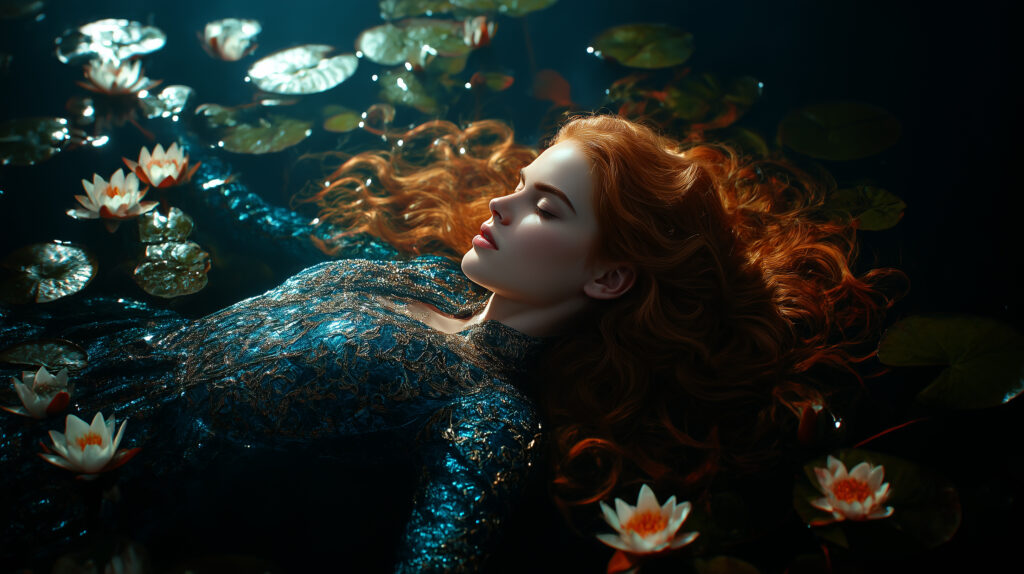
Red and green create emotional friction — drama, danger, or desire.
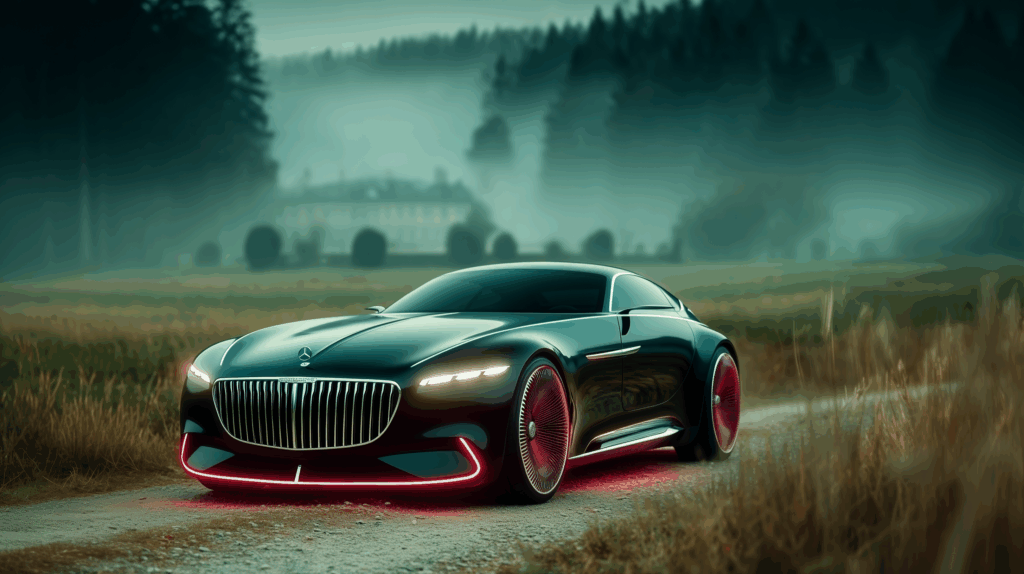
- Analogous (Monochrome) schemes — harmony and calm.
Cool tones like greens and blues evoke peace.

Warm tones like yellow, orange, and beige express joy and vitality.

- Triadic schemes — balance and energy.
Red, yellow, and blue create vibrancy, movement, and visual balance. - Split complementary schemes — gentle contrast with subtle tension.
- Tetradic schemes — complex harmony and emotional richness.
- Bleach Bypass — desaturated contrast inspired by film processing; often used in war or drama genres for realism and grit.
- Black and White — timeless and focused on light, shadow, and form.
2. Composition and Texture
Cinematic imagery relies on composition — the invisible grammar of visual storytelling.
It’s how a frame guides emotion and perception.
Key techniques include:
- Intentional framing — directing the viewer’s attention like a film director.
- Implied motion — suggesting movement in a still image.
- Shallow depth of field — isolating the subject while preserving mood.
- Film grain — adding nostalgia and tactile texture.
- High image quality — clarity and lighting that mimic motion-picture frames.
The Cinematic Feeling in Video
In video, the cinematic feeling emerges through emotion conveyed visually — not through dialogue, but through rhythm, movement, and sound.
Cinematic techniques include:
- Camera motion — smooth pans, dynamic tracking, or handheld realism.
- Shot variety — wide, medium, and close-ups to create pacing and depth.
- Unexpected angles — introducing curiosity and dramatic tension.
- Music and sound design — shaping the emotional heartbeat of the scene.
More Than a Look — A Language of Emotion
Cinematic style isn’t just an aesthetic filter — it’s a language of emotion.
It transforms a moment, an image, or a feeling into something alive.
Whether you’re filming, photographing, or generating AI art, the cinematic approach invites your audience not just to see — but to feel.